


Which pool treatment system offers better algae control, lower chlorine use, and easier everyday maintenance?
Pool ionizers and ozone systems can both reduce reliance on traditional pool chemicals, but they work in very different ways. A pool ionizer releases controlled levels of minerals into the water, where they continue helping control algae throughout the pool. An ozone system creates ozone gas that oxidizes contaminants as water passes through an inline treatment chamber.
The biggest practical difference is residual protection: minerals remain in the pool between filtration cycles, while ozone reacts quickly and does not leave a lasting ozone residual in the pool water. Both approaches still require proper filtration, balanced water, regular testing, and an appropriate chlorine or bromine residual.
| Feature | Pool Ionizer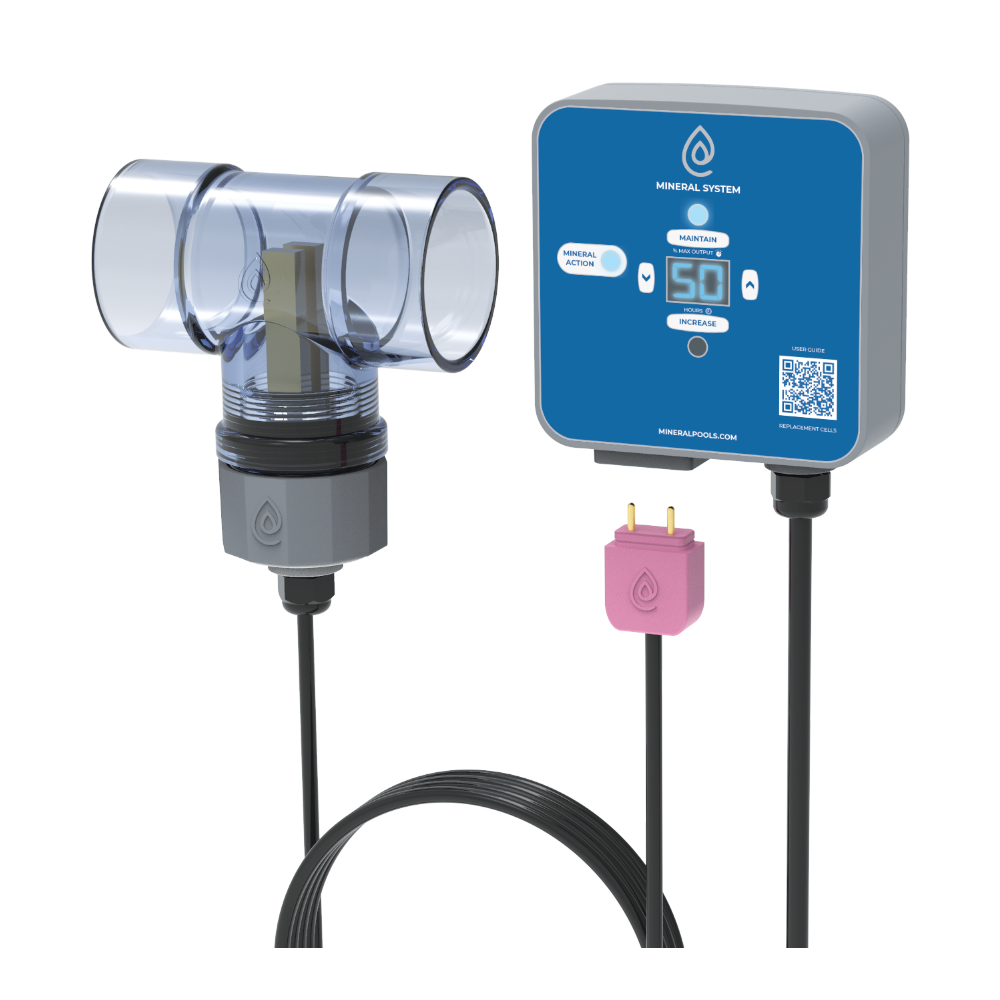 | Ozone System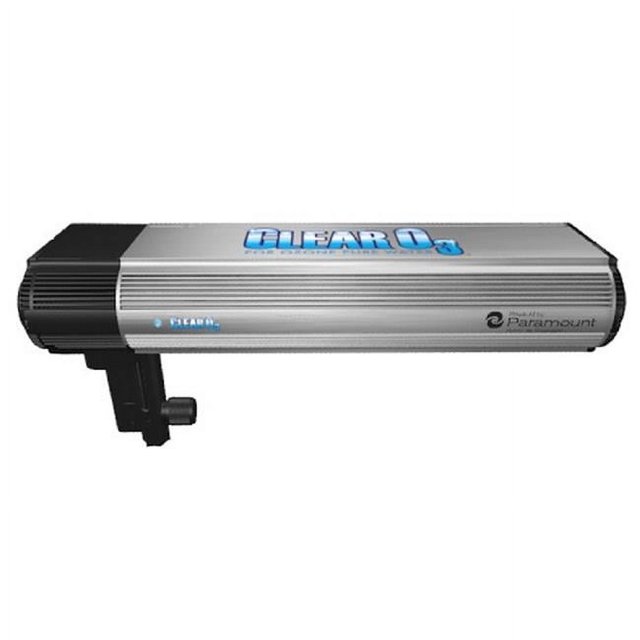 |
|---|---|---|
| How it works | Releases controlled levels of silver, copper, and zinc or copper and zinc minerals into the circulating water. | Generates ozone gas that oxidizes contaminants as water passes through an inline treatment chamber. |
| Where treatment occurs | Minerals circulate throughout the pool water. | Treatment occurs primarily inside the ozone contact system while water is circulating. |
| Residual protection | Yes. Minerals remain in the water and continue helping control algae between filtration cycles. | No lasting ozone residual. Ozone reacts quickly and breaks down after treatment. |
| Algae control | Copper-based minerals provide continuous algae control throughout the pool. | Can oxidize algae and other contaminants passing through the treatment system, but provides little ongoing protection elsewhere in the pool. |
| Chlorine requirements | Used with a low chlorine or bromine residual. ClearBlue can reduce chlorine use by up to 80%; Mineral Lion by up to 60%. | Generally used as secondary or supplemental treatment alongside chlorine or another approved residual sanitizer. |
| Water feel and odor | Lower chlorine levels can mean less chlorine odor and water that feels gentler on skin, hair, eyes, and swimsuits. | Can oxidize organic contaminants and may reduce chlorine demand and odor; results depend on sizing, circulation, and sanitizer management. |
| Protection while the pump is off | Minerals remain present in the pool after circulation stops. | No new ozone is produced or delivered while the pump and ozone equipment are off. |
| Installation | Compact controller and mineral cell; installs inline, with flex hose, or over the top in supported applications. | Usually requires an ozone generator, injector, tubing, check valves, and potentially contact, degassing, or ozone-destruction equipment. |
| Maintenance | Test copper regularly, adjust the controller when needed, and periodically replace the self-cleaning mineral cell. | Inspect and maintain the generator, injector, tubing, check valves, air preparation, and related components according to the manufacturer. |
| Operating complexity | Digital output control and copper testing make mineral levels measurable and adjustable. | Performance depends on ozone output, injection efficiency, contact time, circulation, and correct system sizing. |
| Equipment footprint | Small controller and inline mineral cell. | Commonly involves more plumbing and treatment components, especially on fully engineered systems. |
| Upfront cost | ClearBlue systems currently range from $699.99–$899.99; Mineral Lion systems from $399.99–$599.99. | A representative DEL Ozone 25 system for pools up to 25,000 gallons is currently listed at $849.99. Larger systems, additional injection or gas-management equipment, and professional plumbing or electrical installation can increase the total upfront cost. Retail pricing and availability may vary. |
| Safety considerations | Uses low-voltage equipment and controlled mineral levels. Copper must be tested with copper test strips and maintained within the recommended range. | Ozone is a powerful oxidizer and must be generated, contained, vented, and destroyed correctly to prevent exposure to ozone gas. |
| Regulatory positioning | ClearBlue is EPA-registered as a sanitizing device for pools. | CDC guidance treats ozone as a secondary disinfection system for public aquatic venues rather than a replacement for the required primary disinfectant. |
| Best fit | Homeowners who want continuous algae control, substantially less chlorine, compact equipment, and easier everyday pool care. | Pool owners seeking supplemental oxidation or secondary treatment who are comfortable maintaining a more equipment-dependent system. |
Why Pool Ionizers Offer Better Everyday Algae Control
Ozone is a powerful point-of-treatment oxidizer, but it only treats water that reaches the ozone equipment. A pool ionizer builds and maintains a measured mineral level throughout the pool. Those minerals remain available to help prevent algae growth on surfaces and in areas that may not immediately pass through the filtration system.
This residual mineral protection is especially useful during hot weather, heavy pool use, and periods when the circulation pump is off. It can help keep water clear with substantially less chlorine while avoiding the additional gas-handling and contact equipment associated with many ozone systems.
Do Pool Ionizers Eliminate Chlorine?
No. Every residential pool still needs an appropriate chlorine or bromine residual. A pool ionizer handles much of the ongoing algae-control workload, allowing the pool to operate with substantially less chlorine. ClearBlue can reduce chlorine use by up to 80%, while Mineral Lion can reduce it by up to 60% when the pool is properly balanced and maintained.
Which Pool Ionizer Is Right for You?
ClearBlue Mineral System uses silver, copper, and zinc and is EPA-registered as a sanitizing device for pools. It is our premium choice for homeowners who want the greatest chlorine reduction and antimicrobial mineral benefits.
Mineral Lion uses copper and zinc and provides an affordable path to reliable algae control, clear water, and lower chlorine use. Both systems work with inground and above-ground pools.
The Bottom Line
Ozone is a powerful supplemental oxidizer. A pool ionizer provides something ozone does not: a measurable mineral residual that remains throughout the pool and continuously helps control algae. For most residential pool owners seeking less chlorine and simpler maintenance, a controlled pool ionizer is the more practical all-around solution.
Pool Ionizer vs. Ozone FAQs
Is a pool ionizer better than ozone for algae?
For ongoing residential algae control, a pool ionizer has an important advantage: copper-based minerals remain throughout the pool water. Ozone treats water primarily as it passes through the ozone system and does not leave a lasting ozone residual.
Can an ozone system replace chlorine in a pool?
No. Ozone is generally used as secondary or supplemental treatment and does not provide a lasting sanitizer residual in the pool. An appropriate chlorine or bromine residual is still needed.
Can a pool ionizer replace chlorine?
No. Pool ionizers are designed to work with a reduced chlorine or bromine residual. The combination provides continuous algae control plus the protection of a proven oxidizing sanitizer.
Can I use a pool ionizer with an existing ozone system?
Yes. A pool ionizer can provide residual mineral-based algae control while an existing ozone system supplies supplemental oxidation. Continue maintaining proper water balance and the recommended chlorine or bromine residual.
Sources and further reading: CDC Model Aquatic Health Code, ClearBlue Mineral System, and Mineral Lion Pool Ionizer.
Always follow applicable local pool codes and the instructions supplied by your equipment and chemical manufacturers.