


This post discusses phosphates in your swimming pool water – how did they get there, what effect do they have on the water and swimmers, and what should you do about them?
What Are Phosphates in Pool Water?
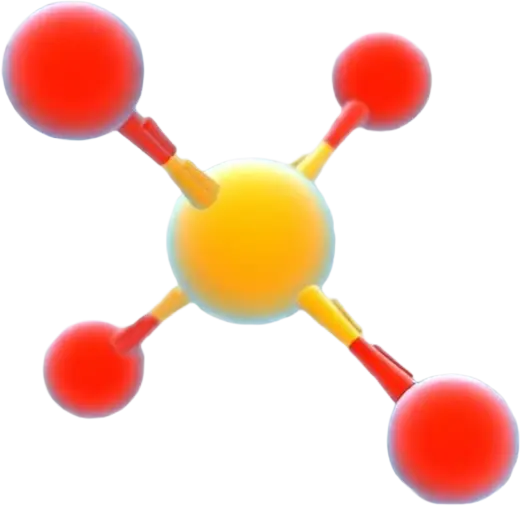
The phosphates found in swimming pools are chemical compounds containing the elements phosphorus and oxygen. The simplest and most common form is orthophosphate, which is what phosphate test strips react with. Most pool professionals and pool products simplify orthophosphates to phosphates.
Phosphates accumulate in the water from various sources and are completely dissolved, so you can’t see them. But they make a noticeable difference in the water quality and chemical demand.
How Do Phosphates Get in Pool Water?
Phosphates don’t evaporate or break down naturally, so they accumulate over time and aren’t removed by chlorination, filtration, or other pool maintenance practices.
Here are some of the most common sources of phosphates for your pool:
- Surrounding environment: Decaying leaves & plants, runoff from fertilized soil
- Swimmers: Sweat, urine, cosmetics, and lotions
- Fill Water: Groundwater in rural areas can be high in phosphates from surrounding agricultural use of fertilizers, but even some city and municipal water supplies contain phosphates because they are used to prevent corrosion of infrastructure
- Pool Chemicals: Some metal sequesterant and stain remover products contain phosphates
- Organic Breakdown: Organic material from swimmers and the surrounding landscaping breaks down and contributes to the phosphate level
Why Do Phosphate Levels Matter in Pool Water?
It’s important to monitor the phosphate level in your pool because it contributes to accelerated algae growth.
Algae requires three things to grow in your swimming pool water:
- Sunlight – used for photosynthesis or energy production
- Water and carbon dioxide – as a substrate and input to photosynthesis
- Nutrients – most commonly phosphorus (as orthophosphates) and nitrogen (as nitrates)
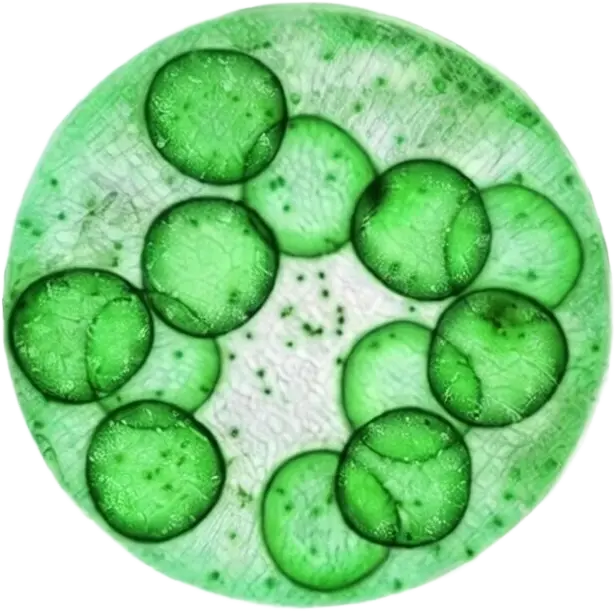
If your pool is high in phosphates, algae will have an abundant supply of nutrients and grow faster. The chlorine in the water kills algae cells, but the faster they grow, the more chlorine is required to keep them in check. Organic byproducts from algae also react with chlorine to form chloramines, which are irritating to the skin and eyes and contribute to the ‘chlorine smell’ of the pool.
Are High Phosphates in Pool Water Dangerous?
High phosphate levels in swimming pools typically do not pose a risk to swimmers, even at very high levels. Just as phosphorus is food for algae, it is a critical component of our diet. Dairy products and other common foods are high in phosphorus for example.
Phosphorus can also be found in soaps, lotions, and other skin-care products.
While there are regulations on adding phosphates to detergents and ‘Phosphate Free’ is highlighted on many product labels, this is related to the environmental impacts of increased phosphates in water systems. Just as phosphates can accelerate algae growth in your pool, the same effect can happen in lakes and rivers.
How To Get Rid of Phosphates in Pool Water?
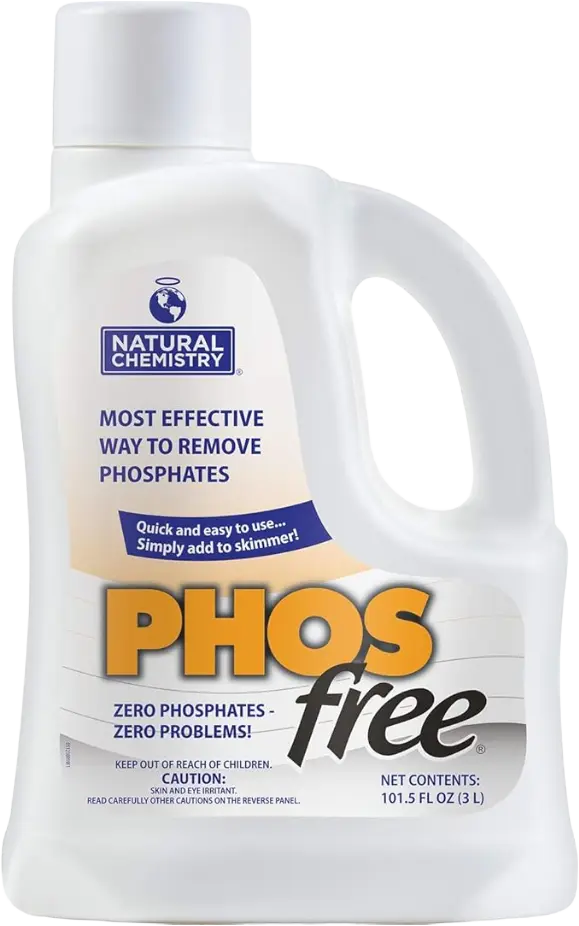
Several products on the market help remove phosphates from pool water. Most of these use a rare-earth mineral called lanthanum. This mineral is added to water as a diluted solution, and lanthanum molecules bind to phosphate molecules to form a new compound, lanthanum phosphate, which does not dissolve easily in pool water. Fine particles of this compound cloud the water until they are removed by the filter.
It’s important to follow the directions precisely when using a lanthanum-based phosphate remover like PHOSfree. The product dosage and application must be correct for effective results. It’s also critical to run the pump continuously and to clean the filter frequently so it doesn’t clog.
If your source water has high phosphates (1,000 ppb or higher), you can reduce them by 25% or more with a hose filter that attaches to your garden hose. These are inexpensive and also help remove other impurities and odors from your fill water. They will not remove all phosphates, so you will still need to use a phosphate-removing chemical to bring the level below 200 ppb. However, they can help reduce the amount of chemicals and filtration required.
Why Are There Mixed Opinions on Using Phosphate Removers?
A quick Google search for ‘phosphates in pool water’ will return mixed results on whether phosphates are a concern for backyard pools. For example, this post on Reddit features a range of opinions from both pool owners and pool professionals. The reason is simple: everyone’s pool is different. If you live in a rural area where farm runoff enters your groundwater or your pool, monitoring phosphate levels is important. But if you’re in the suburbs, have no leaves or debris in your pool, and don’t use it much, there aren’t many ways for phosphates to enter, so they won’t be a persistent problem.
A good rule of thumb is to test for phosphates several times in the first year of having a pool. If your phosphate level is high in the first year, it will likely remain high, and you will need to treat the pool for phosphates regularly. If you never have a high phosphate reading during the first year, chances are you will never have a problem.
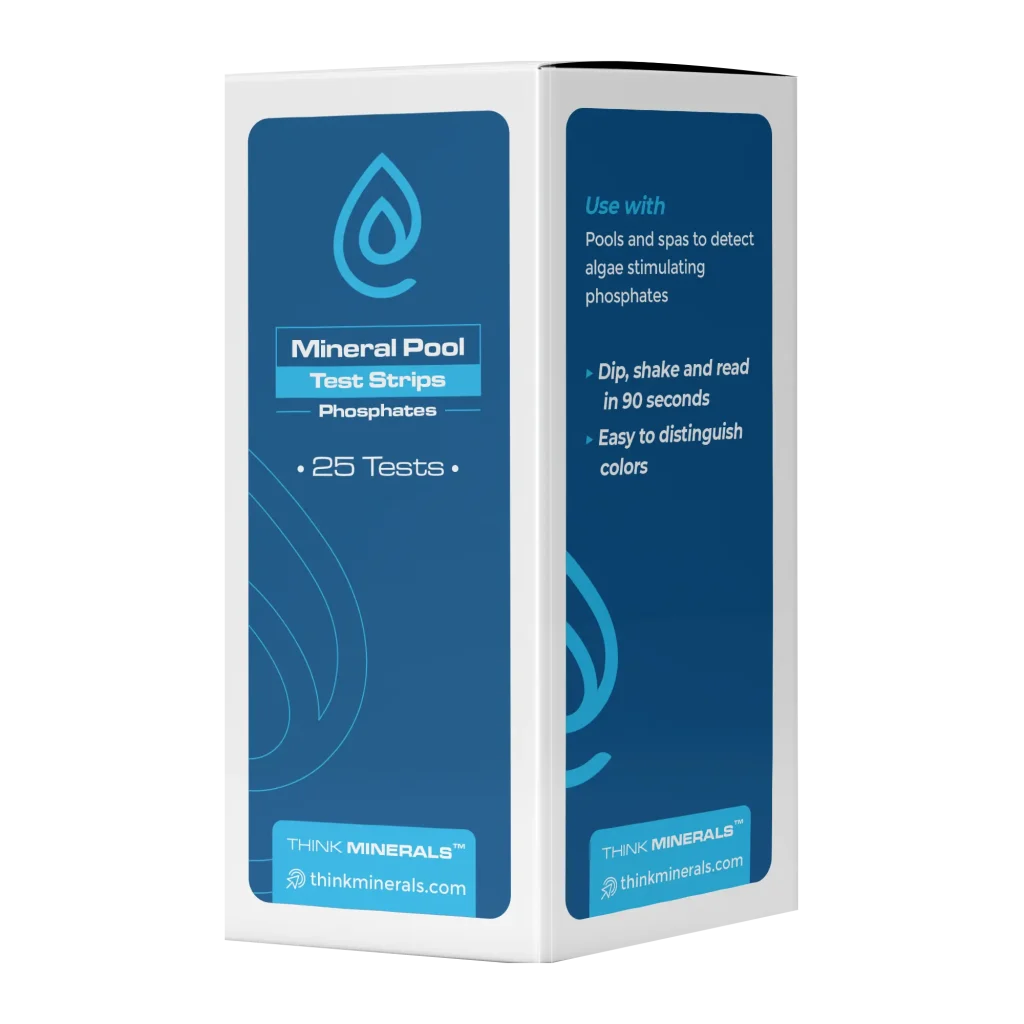
Either way, it’s a good practice to test for phosphates at least a couple of times a year to make sure the level isn’t high enough to promote algae growth. Removing the food source for algae is one of the most efficient and cost-effective ways to control it.
If you have algae despite following all the popular pool care best practices, testing for phosphates is a good place to start.
Phosphates Low But Still Getting Algae? Might Have High Nitrates
Phosphates aren’t the only nutrients that algae rely on. Nitrates are also a ‘limiting nutrient’ for algae, meaning they are a factor in regulating algae growth. If phosphates are under the recommended level of 200 ppb but nitrates are off the charts, you still have an environment that encourages algae growth.
If your phosphate level is low (under 200 ppb) but you are still seeing algae in a properly sanitized pool, it’s a good idea to test for nitrates. If the level is between 10 ppm and 25 ppm, it promotes algae growth, so it is helpful to lower it. Unfortunately, nitrates don’t bind to lanthanum or any other mineral that would cause a precipitate to form. The only practical way to lower the nitrate level is to remove some of the pool water and dilute it with water from a source with low nitrate levels.
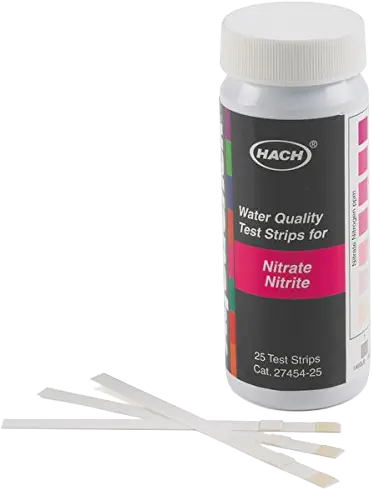
Products to Test For, Reduce, and Remove Phosphates
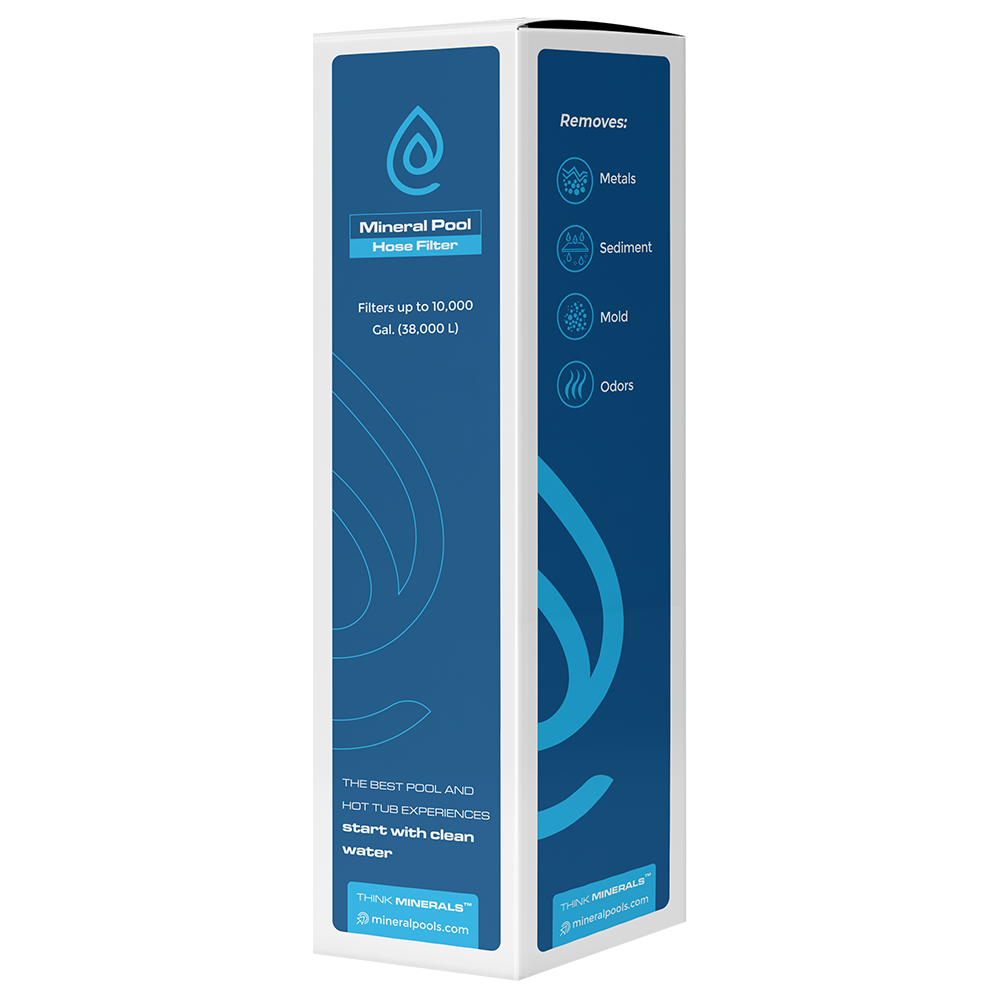
Links to Amazon are affiliate links